


As the foodservice industry continues to evolve, packaging is no longer just a container – it has become a piece of functional technology. From leak-proof engineering to shelf-life extension and cold-chain compatibility, the science behind food packaging now plays a crucial role in product quality, brand reputation, and operational efficiency.
In this article, we break down essential professional knowledge that every restaurant, café, bakery and food manufacturer should understand when selecting high-performance packaging.
1. Leak-Proof Engineering: What Really Prevents Spills?
Leakage is one of the most common packaging failures in delivery and take-out. However, effective leak prevention is not just about material thickness – it’s about structural engineering.
A. Tight-Seal Lid Technology
Professional leak-resistant systems use lids and rims that work together:
- Snap-fit closures that mechanically lock onto the container rim
- Even pressure distribution around the lid to minimize micro-gaps
- Anti-warp design to avoid deformation under heat
- Anti-fog options that maintain visibility without breaking the seal
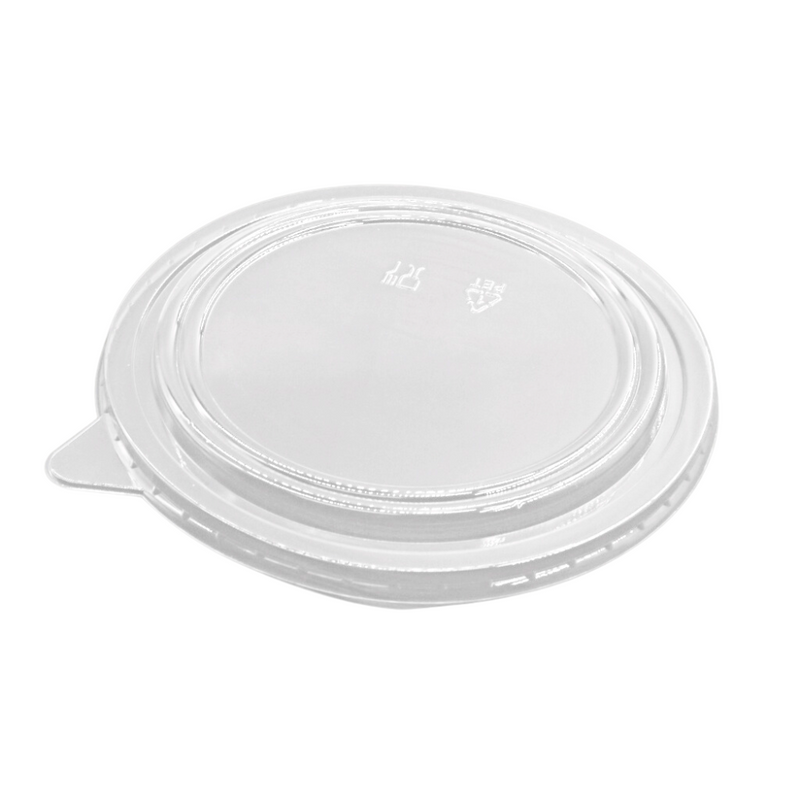
Products like HD BioPak’s anti-fog PET lids are engineered to click firmly onto matching kraft bowls, creating a tight seal that reduces spills during transport.
B. Oil- & Water-Resistant Coatings
High-performance paper containers typically incorporate one of the following coating technologies:
- PE coatings for basic water and oil resistance
- PLA (plant-based) coatings for compostability in suitable facilities
- Aqueous (water-based) coatings designed to be PFAS-free and more recyclable-friendly
These coatings prevent oil penetration and maintain structural integrity even with hot, oily foods.
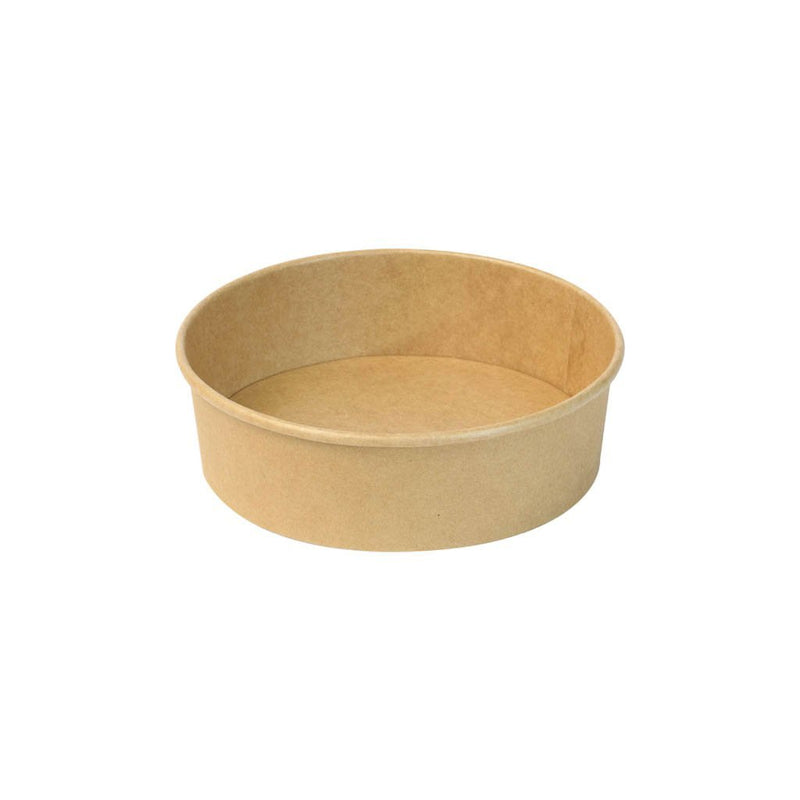
C. Material Strength Under Temperature Stress
Different materials respond differently to heat and pressure:
- Sugarcane fibre resists warping under heat better than many thin plastics
- Kraft paper bowls with multi-layer embossing stay rigid even with sauces
- PET lids handle steam and pressure changes without collapsing
Choosing containers designed for hot food delivery significantly reduces leakage and protects your brand reputation.
2. Extending Shelf Life: How Packaging Helps Food Stay Fresher Longer
Shelf life is not only influenced by ingredients – packaging engineering plays a major role. Understanding how packaging interacts with moisture, oxygen and physical stress helps you keep food fresher for longer.
A. Breathability & Moisture Control
Different foods need different humidity environments:
- Crispy foods (fries, fried chicken, tempura) require vented or breathable packaging to avoid sogginess
- Fresh salads benefit from slight airflow to maintain crispness
- Baked goods need balanced moisture so they do not dry out or collapse
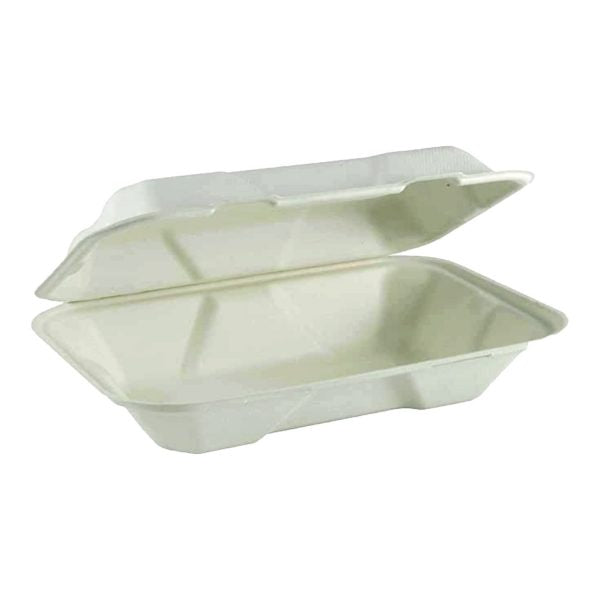
Sugarcane fibre and kraft structures naturally offer micro-ventilation, which is ideal for many hot entrées and baked goods that should not be fully sealed like a plastic tub.
B. Barrier Properties
Barrier layers in packaging protect against:
- Oxygen – slows oxidation and flavour changes
- Moisture vapour – keeps food from drying out or becoming soggy
- Aroma transfer – prevents smell and taste contamination between items
Many modern coatings and laminations are designed to provide these barriers while remaining more sustainable than traditional multi-layer plastics.
C. Structural Support Protects Food Shape
Strong container walls and bases protect food structure in transit, which indirectly extends perceived freshness and quality. For example:
- Rigid bowls help poke and noodle dishes arrive looking full and layered
- Sturdy clamshells prevent burgers and sandwiches from being flattened
- Well-designed cake boxes preserve decoration and frosting details
3. Cold-Chain Suitability: Packaging from Freezer to Delivery
For frozen foods, chilled desserts, dairy and ready meals, cold-chain compatibility is critical. Packaging must survive low temperatures, temperature swings and re-heating – all without cracking, leaking or deforming.
A. Crack-Resistance at Low Temperatures
Low-grade plastics can become brittle at freezer temperatures. More advanced materials like high-quality PET and sugarcane fibre containers are designed to remain stable under refrigeration and freezing.
B. Condensation Management
As cold items warm up during delivery, condensation forms. Poorly designed containers trap water and make food look unappetizing. Better designs use:
- Anti-fog lids to maintain visibility
- Vent channels that control moisture build-up
- Layered paper structures that can absorb small amounts of moisture
C. Freezer-to-Microwave Dual Compatibility
For meal prep and grab-and-go concepts, a single container often needs to go from freezer or fridge into the microwave. Sugarcane fibre bowls and clamshells are particularly useful here, as they can withstand both freezing and reheating when used correctly.
4. Why Restaurants & Food Brands Need Technical Packaging Knowledge
Understanding these technical principles helps operators make smarter decisions:
- Reduce refunds and complaints caused by leaks or damaged products
- Improve customer satisfaction with better presentation and temperature retention
- Extend shelf life without relying solely on additives
- Choose sustainable materials without sacrificing performance
- Simplify SKUs while keeping versatility for hot, cold and ambient foods
- Select suppliers who can explain the technical “why”, not just the price
5. How HD BioPak Embeds Technology into Everyday Packaging
At HD BioPak, performance is engineered into every item, so you don’t need to become a packaging engineer yourself.
Our solutions include:
- Leak-resistant kraft bowls paired with engineered snap-fit lids
- Sugarcane clamshells optimized for heat retention, strength and sustainability
- Anti-fog PET lids that keep cold and hot dishes visible yet sealed
- PFAS-free, water-based coatings in selected products for safer performance
- Freezer- and microwave-compatible containers for modern meal programs
- Double-wall paper cups for superior insulation without extra sleeves
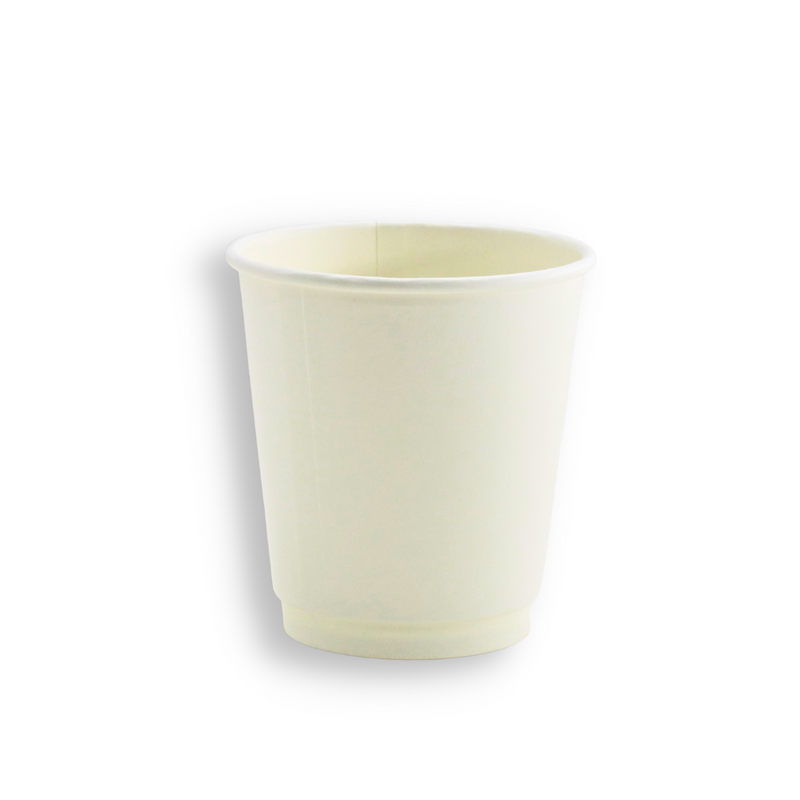
Our goal is to make advanced packaging technology accessible and practical for real-world restaurants, cafés and manufacturers.
Final Thoughts
Technical knowledge in food packaging is no longer a niche topic – it is essential for food businesses aiming to grow in 2026 and beyond. By understanding how engineering choices affect leakage, freshness, cold-chain performance and customer satisfaction, you can design a packaging system that truly supports your brand.
HD BioPak is committed to supporting this knowledge shift with packaging solutions that combine science, sustainability and everyday usability.
Ready to upgrade with science-driven packaging?
- Explore eco-friendly containers: View collection
- Browse take-out solutions: Take-out supply
- Discover hot drink cups & lids: Drinkware supply
Let’s make professional packaging knowledge a strength for your business – not a mystery.