


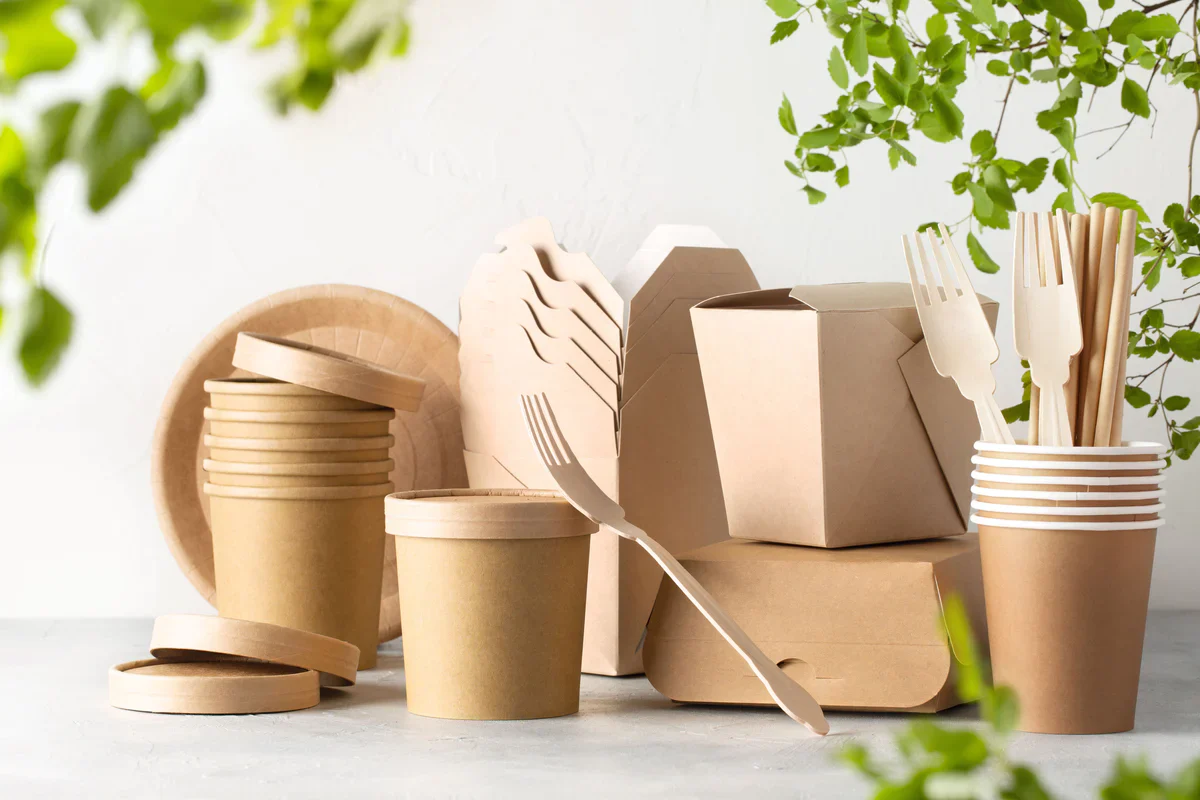
In an era where environmental consciousness shapes consumer choices, the food service industry is undergoing a dramatic transformation in its approach to packaging. Modern businesses are increasingly seeking sustainable alternatives to traditional packaging solutions, recognizing that eco-friendly containers aren't just better for the planet – they're better for business.
The Evolution of Sustainable Food Packaging
The journey from traditional plastic containers to eco-friendly packaging solutions represents more than just a trend; it's a fundamental shift in how we think about food service packaging. This evolution has been driven by several factors:
Environmental Impact
● Rising awareness of plastic pollution
● Growing concern over carbon footprints
● Increased focus on waste reduction
● Consumer demand for sustainable options
Regulatory Changes
● Stricter environmental regulations
● Plastic bag and container bans
● Increased recycling requirements
● Carbon emission reduction targets
Innovation in Eco-Friendly Materials
Sugarcane-Based Solutions
One of the most exciting developments in sustainable packaging is the emergence of sugarcane-based containers. The sugarcane clam shell food container exemplifies this innovation with several key benefits:
1. Biodegradability
● Naturally decomposes
● Leaves no harmful residues
● Reduces landfill impact
● Supports circular economy
2. Performance
● Heat resistance
● Moisture resistance
● Durability comparable to plastic
● Natural grease resistance
3. Versatility
● Suitable for hot and cold foods
● Microwave-safe
● Freezer-safe
● Stackable design
Paper-Based Innovations
Modern paper-based containers have evolved far beyond their simple origins. The kraft paper container represents the latest in sustainable paper packaging technology, offering:
Material Benefits
● Renewable resource base
● Biodegradable construction
● Recycling compatibility
● Lower carbon footprint
Practical Advantages
● Natural insulation properties
● Customizable designs
● Cost-effective solution
● Consumer-preferred aesthetic
Specialized Solutions for Different Needs
Hot Food Applications
The kraft paper soup cup demonstrates how eco-friendly materials can be adapted for challenging applications like hot liquids. These containers feature:
● Double-wall construction for insulation
● Leak-resistant design
● Comfortable handling
● Secure lid options
Take-Out and Delivery Solutions
For take-out applications, the kraft paper box provides an environmentally conscious solution that doesn't compromise on performance:
● Sturdy construction
● Excellent food presentation
● Easy assembly
● Space-efficient storage
Business Benefits of Eco-Friendly Packaging
Brand Enhancement
Adopting sustainable packaging solutions can significantly impact brand perception:
● Demonstrates environmental responsibility
● Attracts eco-conscious consumers
● Builds brand loyalty
● Creates positive associations
Cost Considerations
While eco-friendly options may have different price points, they offer several financial benefits:
● Potential tax incentives
● Reduced disposal costs
● Marketing value
● Customer preference premium
Operational Advantages
Sustainable packaging can improve operations through:
● Efficient storage
● Easy handling
● Reduced waste management
● Simplified inventory
Meeting Consumer Expectations
Growing Demand
Modern consumers increasingly expect sustainable packaging options:
● 73% of millennials willing to pay more for sustainable products
● 86% of consumers consider environmental impact in purchasing decisions
● Rising preference for brands with clear environmental commitments
● Increasing awareness of packaging materials
Education and Communication
Successful implementation of eco-friendly packaging includes:
● Clear labeling of materials
● Disposal instructions
● Environmental impact information
● Sustainability certifications
Implementation Strategies
Gradual Transition
Businesses can successfully transition to eco-friendly packaging through:
- Assessment
● Current packaging audit
● Usage patterns analysis
● Cost-benefit evaluation
● Environmental impact study
- Planning
● Supplier selection
● Staff training
● Customer communication
● Implementation timeline
- Execution
● Phased rollout
● Customer feedback collection
● Performance monitoring
● Continuous improvement
Best Practices
Maximize the benefits of eco-friendly packaging by:
● Choosing appropriate sizes to minimize waste
● Training staff on proper handling
● Educating customers about benefits
● Monitoring performance metrics
Future Trends in Eco-Friendly Packaging
Material Innovation
Ongoing research continues to produce new sustainable materials:
● Enhanced biodegradability
● Improved performance characteristics
● Novel renewable resources
● Advanced coating technologies
Smart Packaging Integration
Future developments may include:
● Freshness indicators
● Temperature monitoring
● Blockchain tracking
● Consumer interaction features
Making the Switch
Assessment Checklist
Consider these factors when selecting eco-friendly containers:
● Food type compatibility
● Temperature requirements
● Storage conditions
● Transportation needs
● Cost considerations
● Environmental impact
● Customer preferences
● Regulatory compliance
Supplier Selection
Choose suppliers based on:
● Product quality
● Environmental credentials
● Supply reliability
● Technical support
● Innovation capability
Conclusion
The transition to eco-friendly food containers represents more than just a change in packaging – it's an investment in our planet's future and your business's success. As consumer awareness grows and regulations tighten, sustainable packaging solutions become increasingly crucial for food service businesses of all sizes.
Ready to make the switch to sustainable packaging? Explore HD BioPak's comprehensive range of eco-friendly containers. From sugarcane clamshells to kraft paper solutions, we offer innovative, environmentally responsible packaging options that meet the highest standards of quality and performance. Contact our team today to discuss your sustainable packaging needs or browse our complete collection of eco-friendly food service solutions online.